Traditional drinks of Dagestan historically served not only to quench thirst but were also an integral part of rituals, helping to preserve the harvest and expressing respect for guests. Recipes varied depending on the area: mountain, plain, and steppe regions formed their own unique flavor profiles. Today, many of these drinks are encountered less frequently, yet they continue to live on in ethnic cafes and among home producers.
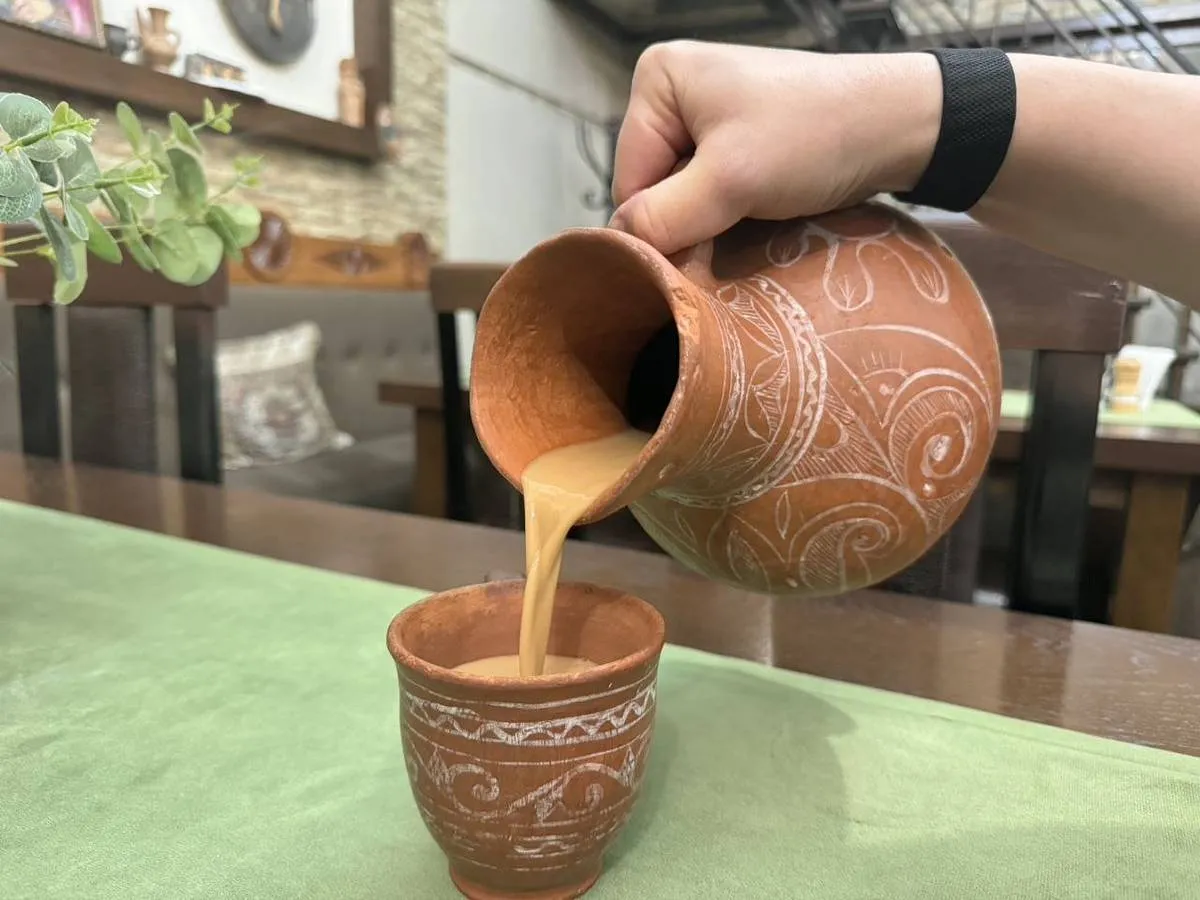
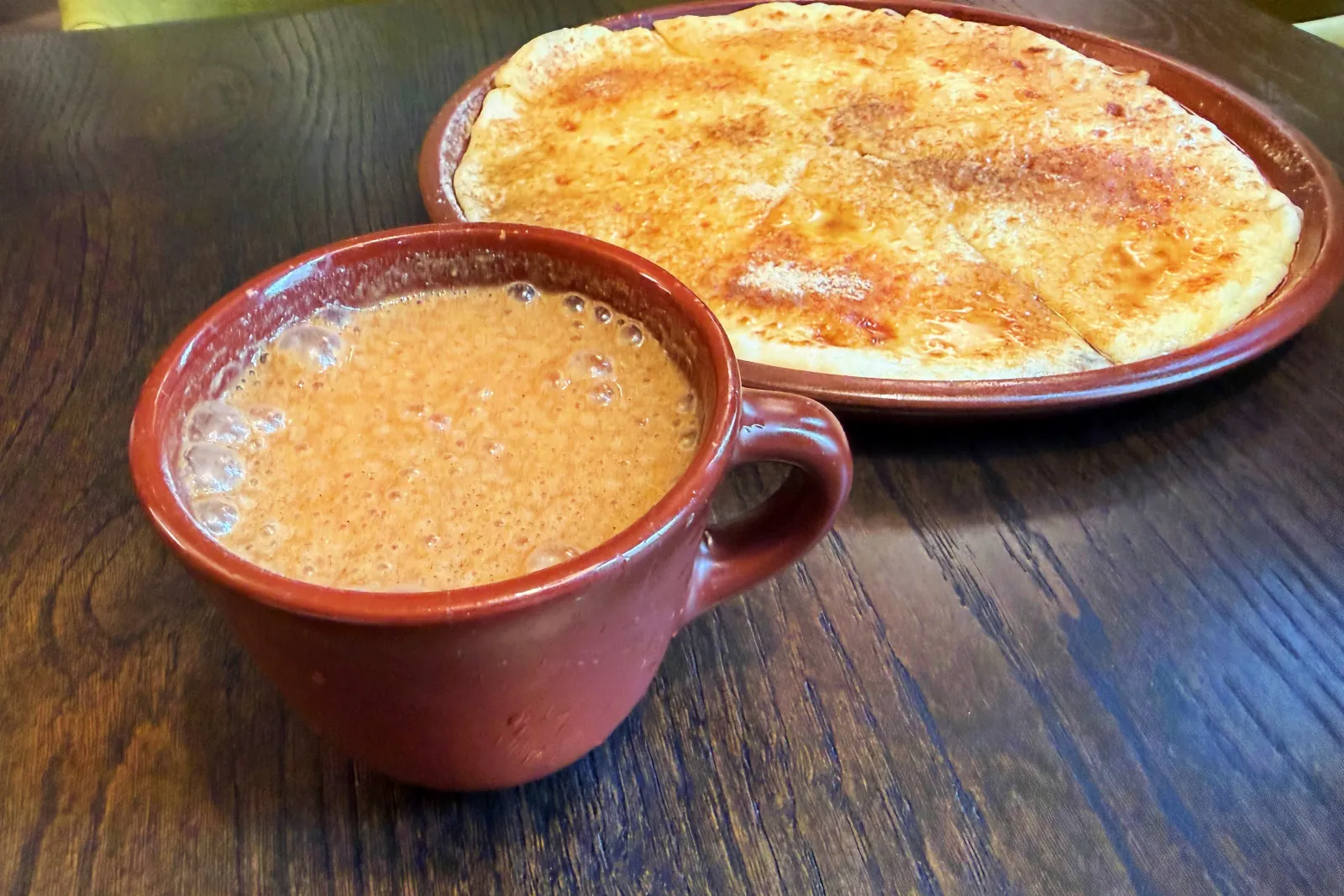
Buza, the main drink of mountainous Dagestan, is made from grain ingredients. Among the Avars, Dargins, and Laks, it had its own names and technological differences. The base consisted of barley malt, wheat flour, and roasted barley flour. The preparation process required long fermentation, making the drink nutritious and capable of replacing a full meal. In some areas, buza was brewed for holidays, especially in winter. Today, due to the labor-intensive nature of the process, it is rarely made. For example, at the Makhachkala cafe "Int," the drink has been brewed for 17 years. The production takes at least a week, including stages of dough souring, baking bread over fire, and secondary fermentation. The cost and exact order volumes vary, but for weddings, orders of up to 50 liters are sometimes placed.
Sherbet symbolizes family traditions and wedding rituals of Southern Dagestan. The bride would hand over a jug of the drink to the groom's relatives, which became a symbol of wishing a sweet and joyful life. In the past, sherbet was made from dried fruits and berries collected in summer and stored in cellars. The taste depended on the hostess's ability to combine ingredients without adding sugar. The drink was infused for about ten minutes and was mandatory to serve to guests, as the absence of sherbet was considered shameful. Modern variations may include sugar or honey, but the classic flavor is preserved through the use of wild cherries and other berries.
The Lezgin drink t'ach is a sour grain porridge. The technology includes cleaning, washing, sprouting, drying, and grinding the grain. The resulting base is mixed with water and left to ferment. Due to the complexity of the process and the availability of store-bought alternatives, t'ach is prepared less and less frequently. However, it can be purchased from home producers or tried in rural cafes. The approximate price is 200 rubles for 700 milliliters.