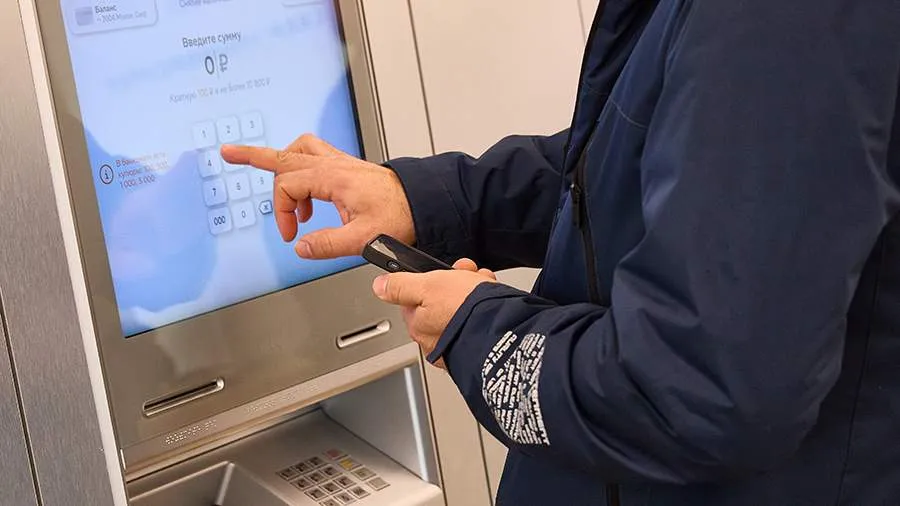
Financial institutions have been granted the right to suspend transactions and conduct additional checks if they notice a combination of anomalous activities. The key trigger is the withdrawal of cash or an increase in the cash withdrawal limit within 24 hours after the approval of a loan or credit. This rule also applies to credit cards.
The regulator has identified several financial signals that raise suspicion. These include transfers of more than 200,000 rubles through the Fast Payment System to an account in another bank and the early closure of deposits totaling 200,000 rubles or more. However, performing one of these actions at a single time is not considered proof of a crime but serves as a reason for analysis.
In addition to transactions, banks monitor technical and behavioral factors. Suspicion is raised by changes to the phone number used for app authorization, changes to device parameters, and the presence of viruses. Attention is also drawn to an increase in the number of calls and messages from unknown numbers in the six hours preceding the transaction. Atypical behavior when receiving money and a series of refusals to dispense cash in a single day are also included in the list of risks.
To protect clients, the Central Bank has required banks to suspend the disbursement of funds for suspicious transactions for two days. This time is given to the client to cut off contact with scammers and make a well-considered decision.
It is important to remember that scammers often pose as employees of financial control agencies. They claim that card verification is necessary and threaten account blocking or confiscation of funds if other people's ATMs are used. Scammers may demand the SMS code or ask to configure non-existent gateways. Citizens should independently verify information through their banks' official communication channels.