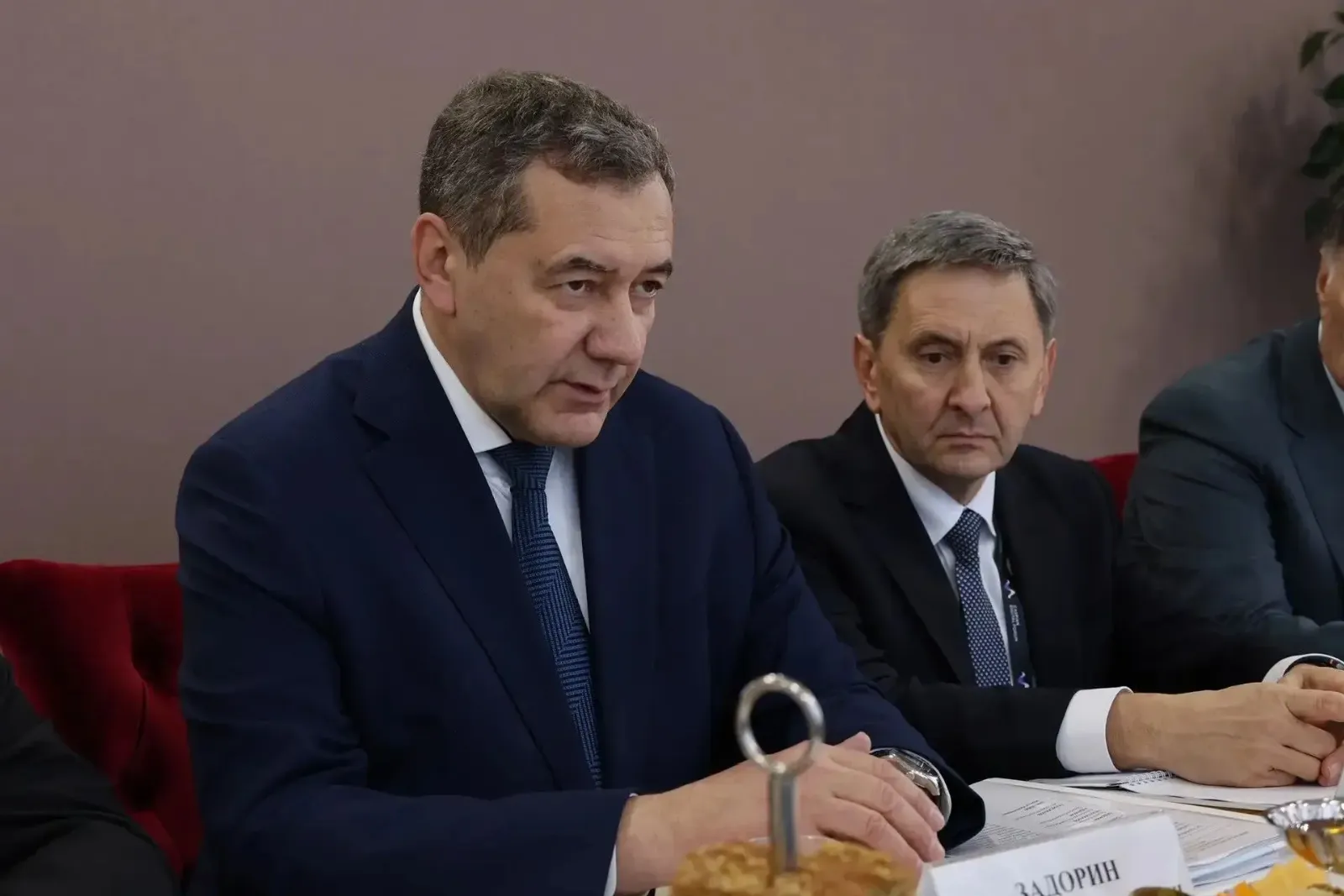
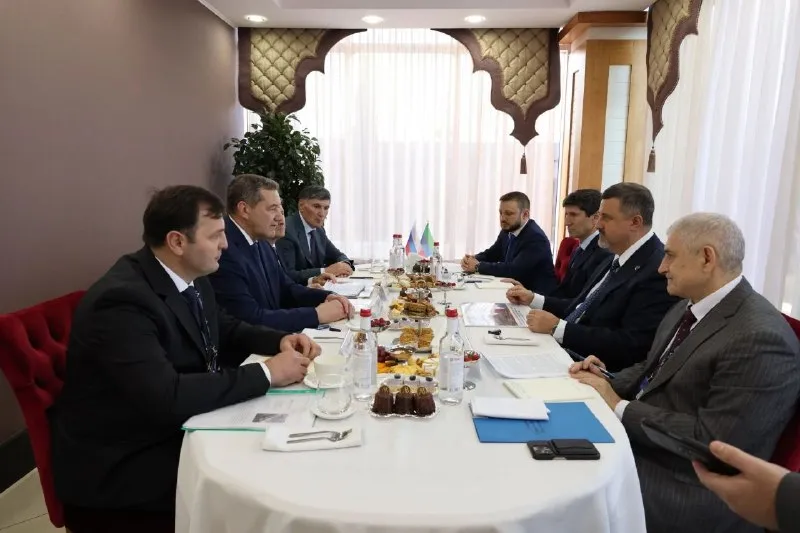
During the sidelines of the Caspian Digital Forum, a working meeting was held between Dagestan's head Fedor Shchukin and North Caucasus Railway head Sergey Zadorin. The parties reviewed issues related to the development of the railway network, passenger and freight transport in the region. The official noted the high interest of residents in suburban services. Over ten months, more than two million people used suburban trains. This figure exceeds the data for the same period last year by 16.2%. Suburban routes demonstrate the most stable growth dynamics among all lines of the railway. Currently, 15 pairs of suburban trains operate in the republic along three main routes. Dagestan is connected with other subjects of the federation by six pairs of long-distance trains. They travel to Moscow, St. Petersburg, Rostov-on-Don, Tyumen, Adler, and Volgograd. Phased modernization of train No. 85 "Derbent – Moscow" has begun. Since July, carriages are being replaced with modern ones, and soon the entire train will meet current comfort standards. An important economic area remains freight operations. The railway ensures the delivery of socially significant goods to the republic. Special attention is paid to the international transport corridor "North – South." Along this route, 737 thousand tons of export cargo were transported this year. Development of the western route of the corridor is planned: the "Derbent – Samur" section will be switched to variable current traction, and a new railway checkpoint "Samur II" will be built. Head of the North Caucasus Railway Sergey Zadorin emphasized that cooperation is aimed at improving transport accessibility for the republic's residents. Official train schedules are published on the carrier's website. Up-to-date information on flight status can be clarified at ticket offices and via mobile applications.
Dagestan's Railway: Passenger Traffic Growth and Route Modernization
The head of the republic and the head of the North Caucasus Railway discussed infrastructure development prospects, including fleet renewal and increased freight traffic along the "North–South" corridor.
Read also
 Illustration from our photo library