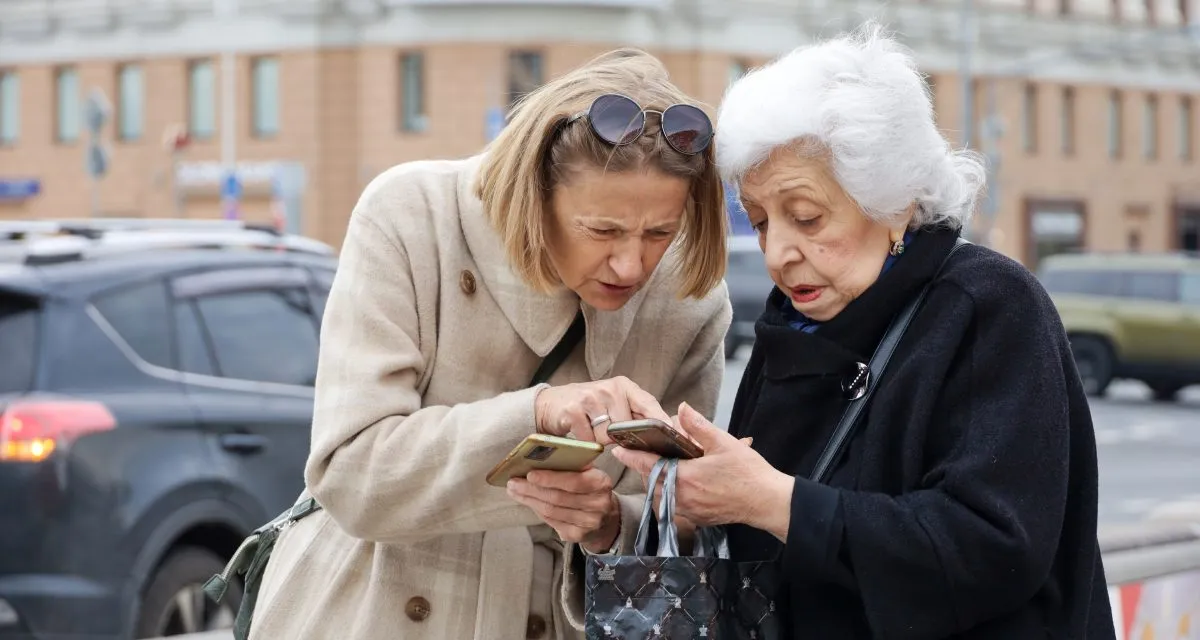
Specialists from the Department for Combating the Illegal Use of Information and Communication Technologies emphasize that verbal warnings alone are insufficient. During an unexpected call, victims often struggle to recognize psychological manipulation, making technical protection at the device level necessary. Experts have identified five key parameters whose adjustment significantly reduces the risk of financial loss.
The first step is blocking incoming calls from unknown numbers in messaging apps. This measure cuts off a popular channel used by fraudsters for audio and video calls. It is also necessary to disable the ability to install apps from unverified sources. This setting prevents viruses and remote access software from infiltrating the smartphone.
The third important step is activating the built-in caller ID and spam filter. These options are usually available through mobile operator apps or specialized services. The fourth point concerns financial restrictions: you should set up a "trusted contact" and register a self-imposed ban on taking out loans. This limits the possibility of fraud committed in the phone owner's name.
The fifth recommendation includes limiting transfer limits and deleting photos of documents from the gallery and chat histories. Banks recommend enabling a "second opinion" service, which requires confirmation of transactions by a trusted person. Photos of passports, SNILS (Individual Insurance Account Number), and bank cards should be completely removed from the device's memory.
At the slightest doubt about the authenticity of the person you are speaking with, the conversation should be terminated immediately. To verify information about relatives in trouble, experts suggest creating a family code word. Official requests must be verified using numbers from the official websites of government agencies. Never share SMS codes or passwords, as neither law enforcement officers nor bank representatives request them.