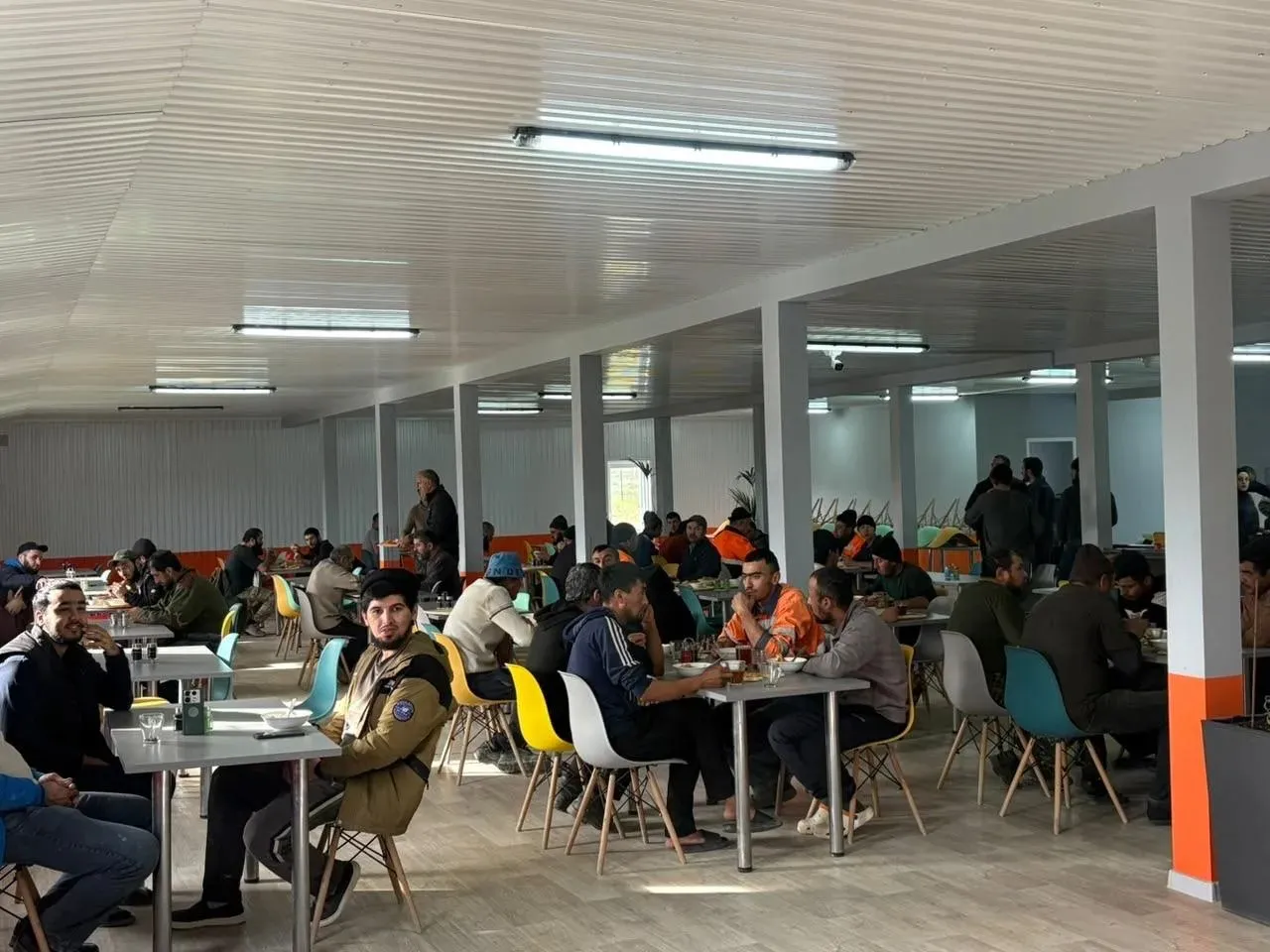
The events took place in Derbent, Kizilyurt, Dagestanskiye Ognii, as well as in the Kumtorkalinsky and Kayakentsky districts. The organizers were the Ministry for National Policy and Religious Affairs, jointly with the Ministry of Internal Affairs and local administrations. Participants, primarily citizens of Central Asian countries, received detailed answers to legal questions.
The main emphasis was placed on compliance with Russian legislation and migration requirements. Foreign workers were reminded of the obligation to respect the culture and traditions of the peoples of Russia, maintain public order, and adhere to stay regulations. Special attention was given to the prevention of extremism, liability for illegal drug trafficking, and terrorist activities. In the format of an open dialogue, specialists explained the new living conditions in the country.
A significant part of the program involved working with digital services. Migrants were informed about the procedure for using the state resource "Digital Profile of a Foreign Citizen," the rules for concluding employment contracts, registering SIM cards, and ensuring children's right to education. To enhance legal literacy, a lecture course was presented, aimed at citizens of visa-free countries and states that are members of the Eurasian Economic Union (EAEU). Information was also provided on social support measures, including opportunities for those who have signed a contract for military service.
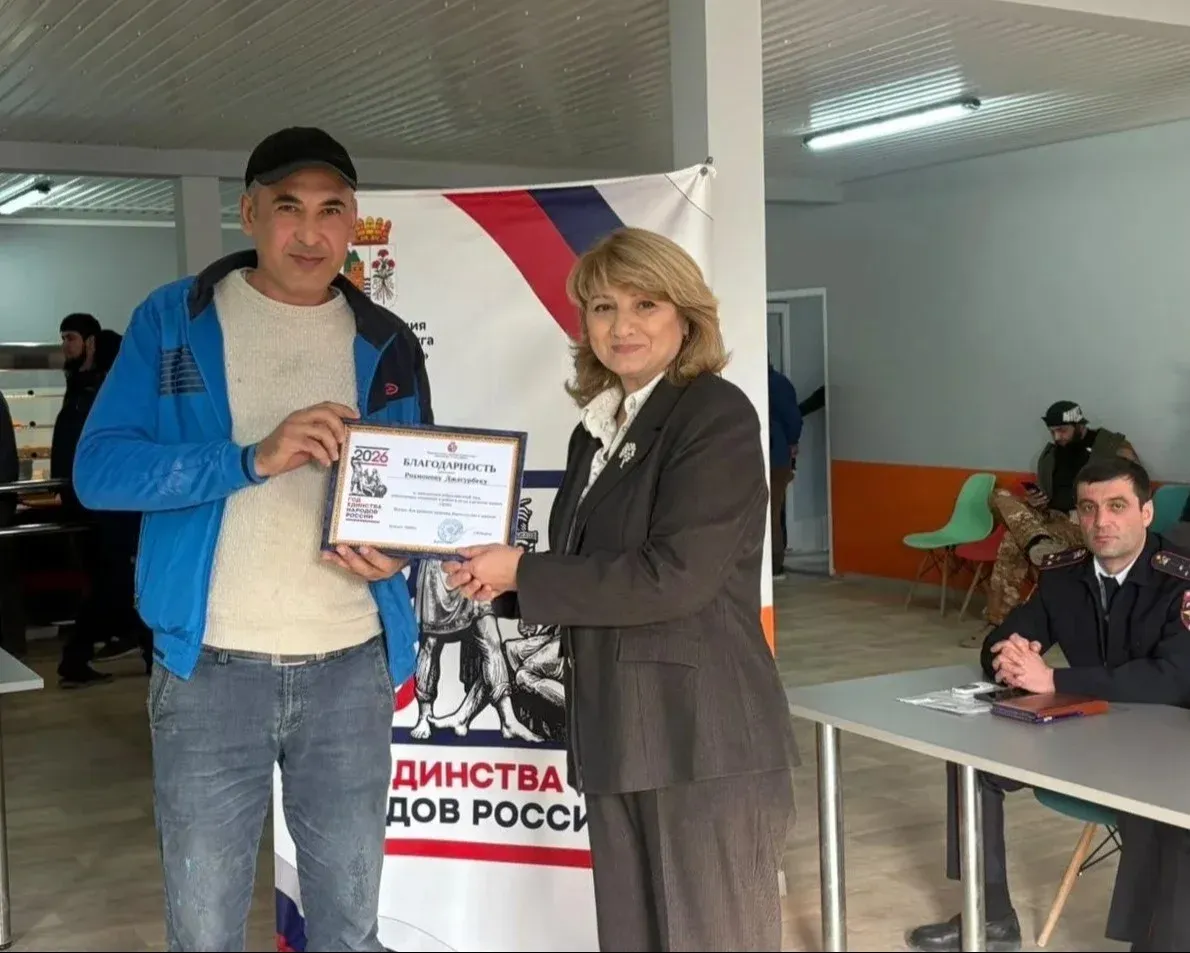
At the conclusion of the meetings, participants received informational brochures in Russian and national languages on the prevention of extremism and countering drug trafficking. In Derbent, foreign workers were also presented with certificates of appreciation from the city's Department of Culture. Such meetings help migrants and newcomers better understand local realities, which reduces the risks of conflicts and fines. Migrants are advised to study current migration regulations in advance to avoid unexpected problems.