The initiative to launch rail service aims to address transport congestion on one of the region's busiest routes. Currently, residents of Kaspiysk, with a population of over 130,000, rely on small buses. The existing fleet is insufficient to handle high passenger volumes, especially during peak hours when serious traffic jams form on the approach to Makhachkala. A 15-kilometer trip can take more than an hour.
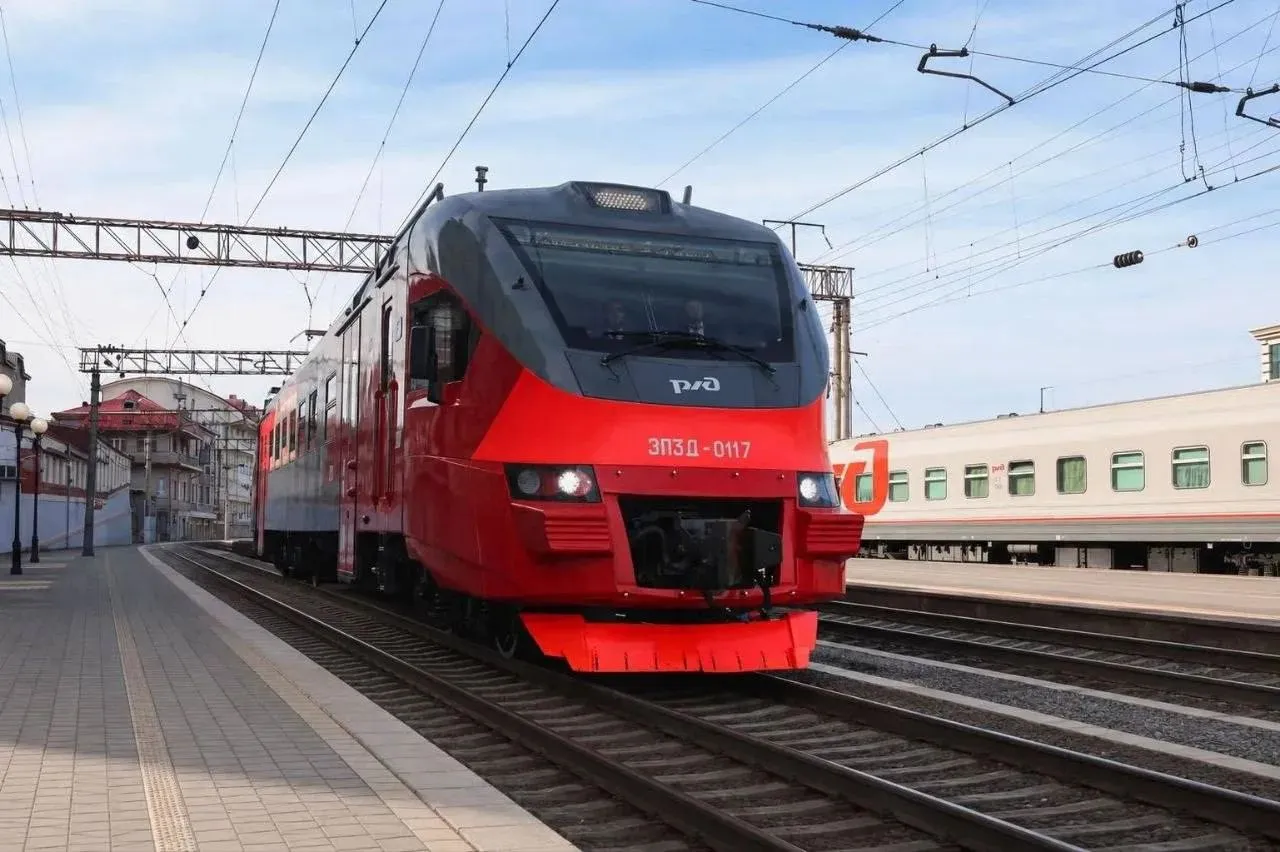
Demand for rail transport in the republic is steadily growing. In the first nine months of 2026, suburban trains carried over two million passengers, a 15 percent increase compared to the previous year. The Dagestan Ministry of Transport notes that the fare is 1.4 rubles per kilometer, one of the lowest rates in the North Caucasus and southern Russia. The region operates six modern electric trains, with the fleet replenished last year.
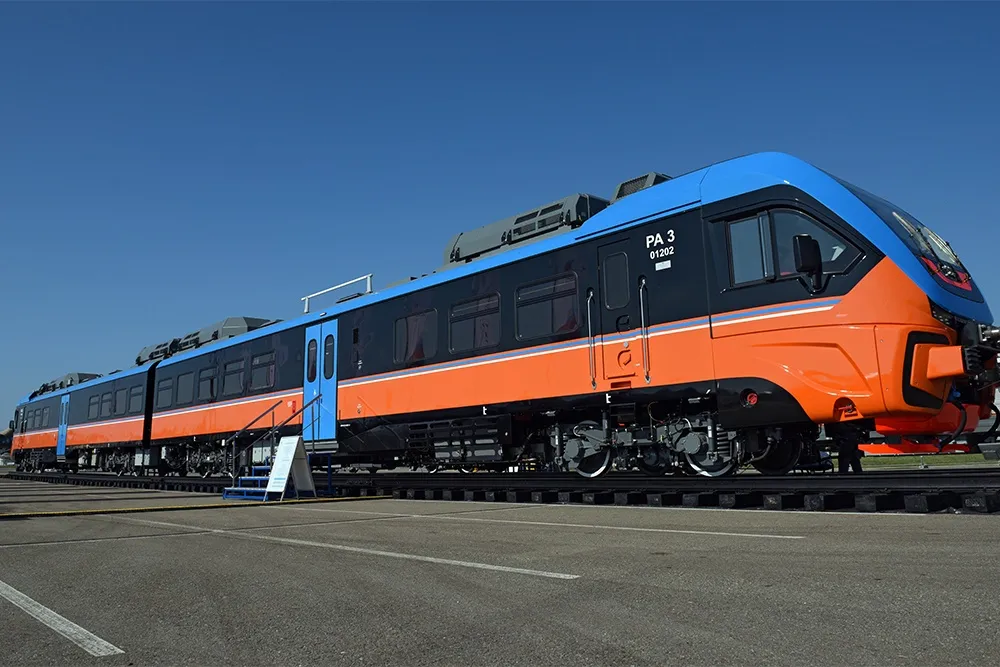
For the new route, authorities are considering launching RA-3 rail buses. This type of rolling stock runs on diesel fuel and does not require track electrification, which is particularly relevant for the non-electrified section from the Tarki station to Kaspiysk. This approach would avoid additional costs for infrastructure modernization. This technology will be used in Dagestan for the first time.
Public figures and authors of the "Makhachkala for People" project express doubts about the feasibility of purchasing rail buses, whose production ceased in 2022, while new DP2D locomotives are produced in limited batches. Experts suggest investing in electrifying the short section to ensure full electric train service for the city, which was discontinued more than ten years ago.