Federal specially protected natural areas received 18.2 million visitors in the first nine months of 2026, according to Alexander Kozlov, Minister of Natural Resources and Ecology. The numbers are growing: if national parks were visited by about seven million people in 2020, this figure reached 22.6–23 million visits by 2025. The target indicator of the "Ecological Well-being" national project for 2030 — 20.6 million tourists — has already been exceeded. The Ministry forecasts that visitor numbers could reach 35 million, but this would require an annual growth rate of about 9.6%.
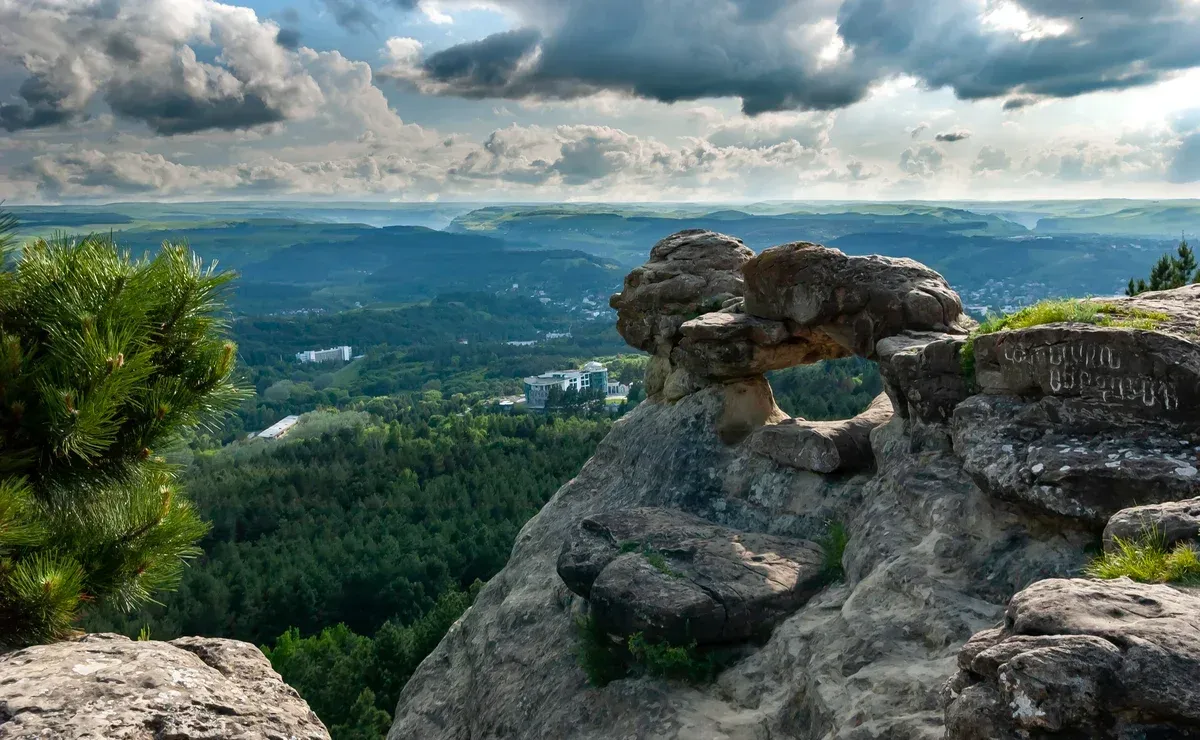
Tourist interest is concentrated in a few locations. A study by the Russian Presidential Academy of National Economy and Public Administration showed that 72% of all visits go to Sochi, Kislovodsk national parks, and "Losiny Ostrov." These territories lead in the index of tourist potential due to transport accessibility and brand recognition. Most visitors come from neighboring regions, turning the national park into a catalyst for spending in the area: money goes to accommodation, food, and guide services.
To maintain momentum through 2030, the state has allocated 24.8 billion rubles for the development of tourist infrastructure. These funds are distributed through subsidies to federal budgetary institutions managing the parks. Unlike regional programs, here the money is directed directly to the creation of facilities within protected zones. In 2026, 41 projects are planned, including ecological trails, visitor centers, and family recreation areas.
Construction in national parks is strictly regulated. The law allows the construction of temporary accommodation facilities, viewing platforms, and infrastructure only in specially designated functional zones. Permanent housing construction is prohibited. Since September 2026, recreational plans have added a requirement to indicate the capacity of facilities. This is related to the need to balance between the growth of tourist flows and the preservation of ecosystems. Different parks require different strategies: from managing mass flows in the south to developing small-group expeditions in remote areas of the Arctic.