The national cuisine of Dagestan developed in response to the harsh mountain climate and the need to provide ample energy for hard labor. The main ingredients—meat, legumes, grains, and greens—allow for the preparation of simple yet very filling dishes. The popularity of regional gastronomy beyond the republic is explained precisely by this combination of taste and nutritional value.
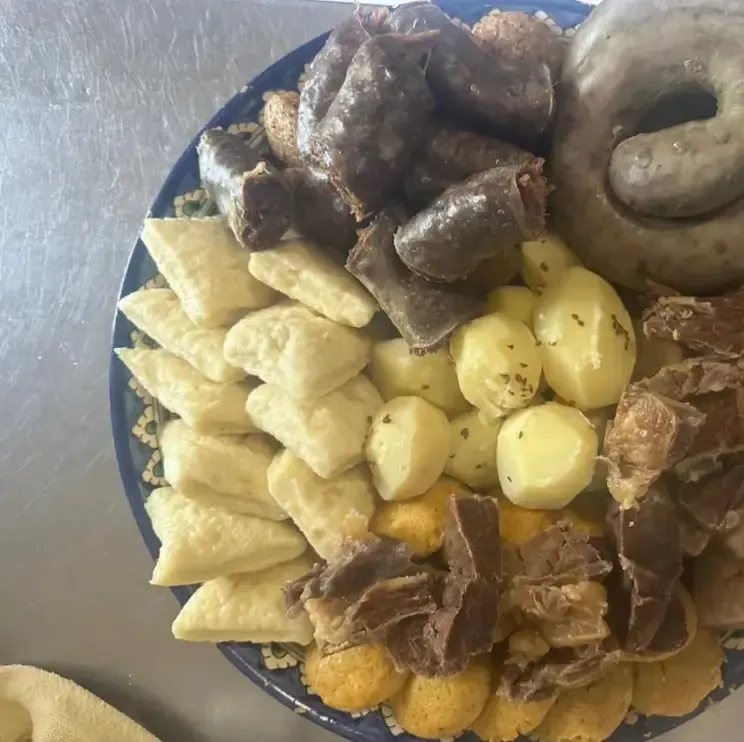
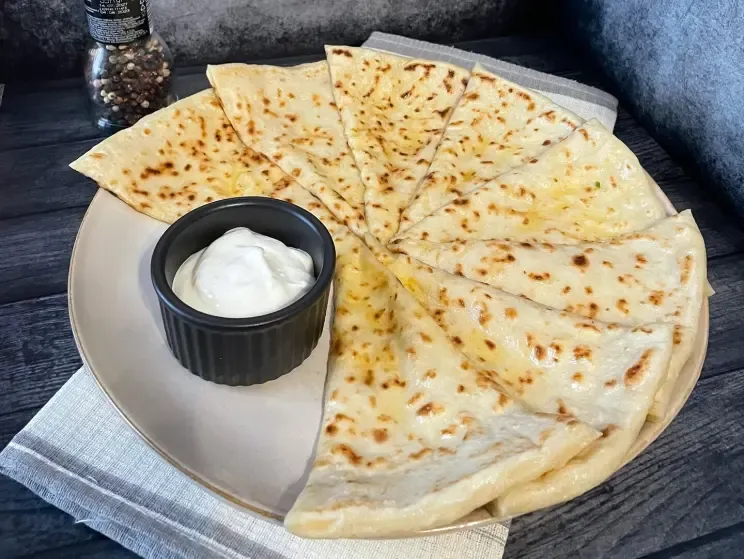
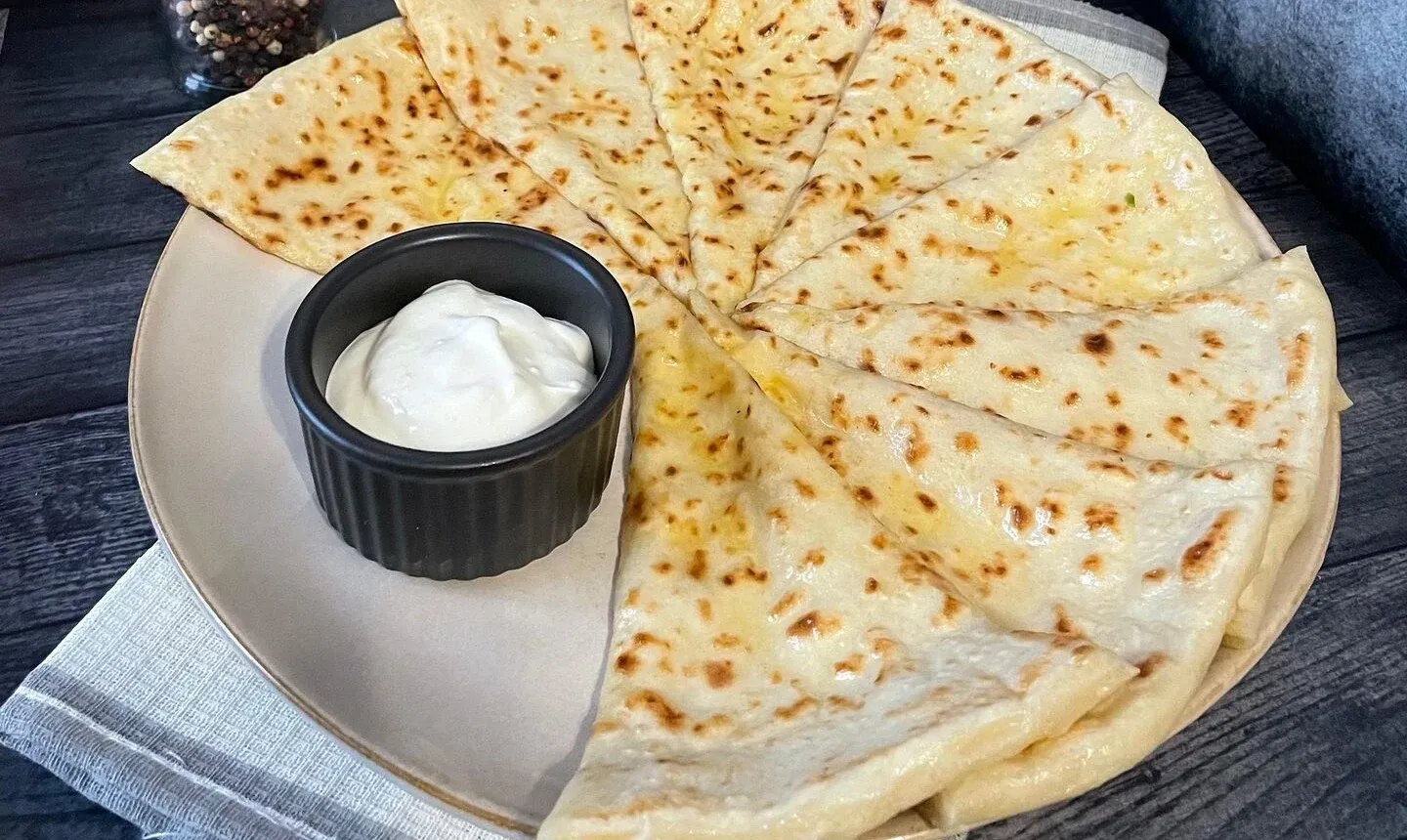
Khinkal remains the undisputed leader. Tradition dictates that the bride must prepare this dish for guests on her wedding day. There are regional variations: among the Avars, the dough is shaped into diamonds; among the Dargins, layered "snails" are made; and Kumyks prepare corn khinkal called khalpama. Another well-known dish is chudu. These are thin or thick pies filled with meat, pumpkin, cottage cheese, or greens. Botishal with stretchy cheese and Darginsky chudu with potatoes are particularly popular. Kurze, resembling dumplings, are also often served with clarified butter.
The festive menu is rich in complex recipes. Mountain soup, or shapshi, is cooked from dried meat and seven types of grains, especially on the day of Ashura. Kurch, an apricot porridge, is traditionally prepared for the birth of a child to help restore the mother's strength. Among sweets, flour halva, Botlikh pie with dried apricots and nuts, and chak-chak stand out. Special attention is deserved by the sheep's head, which is prepared for Kurban-Bayram. This delicacy, including the tongue and eyes, is liked only by the older generation.
Modern chefs adapt classics to new tastes. Chef Bogdan Kozlov offers kurze with shrimp, trout, and slow-cooked beef, as well as khinkal with shredded beef. At the "Papakha" restaurant, guests can try Lak khinkal with shrimp or tom yum. Chefs note that such experiments help popularize the cuisine among young people.
For lovers of exotic food, there are specific dishes. White meat (bull genitals), sokhta (liver sausage from sheep offal), trebuha (beef stomach), and kurdyuk (tail fat) remain a difficult choice for tourists. Among forgotten recipes is mandirmak—a breakfast of fried onions, raw potatoes, and eggs, as well as malt porridge from sprouted wheat, which is recommended for liver cleansing.