Desertification has ceased to be a local issue and has become a global threat discussed at international forums, such as the recent conference in Mongolia. This process does not mean an instantaneous transformation of steppes into the Sahara, but it indicates serious soil degradation: soils lose fertility and biological activity. Over the past thirty years, the area of arid lands on the planet has increased by more than 4.3 million square kilometers, an area comparable to that of India. If current trends continue, up to five billion people could be at risk by the end of the century.
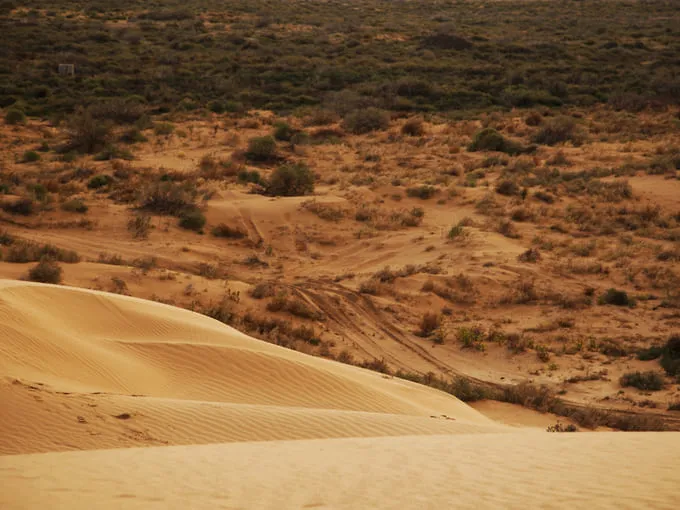
In Russia, 123.4 million hectares of agricultural land are at risk, with about 84 million already affected by desertification. The situation is most acute in Kalmykia, Dagestan, and the Astrakhan region. In Kalmykia and the Kizlyar district, a desert area of 3.2 million hectares has formed. In the Astrakhan region, more than 1.3 million hectares of land are in the stage of active degradation. The causes of this situation include both climate change and human activity: overgrazing, destruction of windbreaks, and disruption of the hydrological regime due to irrational water use.
The Black Earth Nature Reserve in Kalmykia demonstrates successful experience in combating desertification. Here, where grazing has been prohibited for more than thirty years, work is underway on phytomelioration and restoration of natural soil biocrusts. Over seven years, the area of open sands in the reserve has decreased from 116,000 to 88,000 hectares. Such measures include the creation of artificial reservoirs and protection of remaining natural areas, allowing nature to recover on its own.
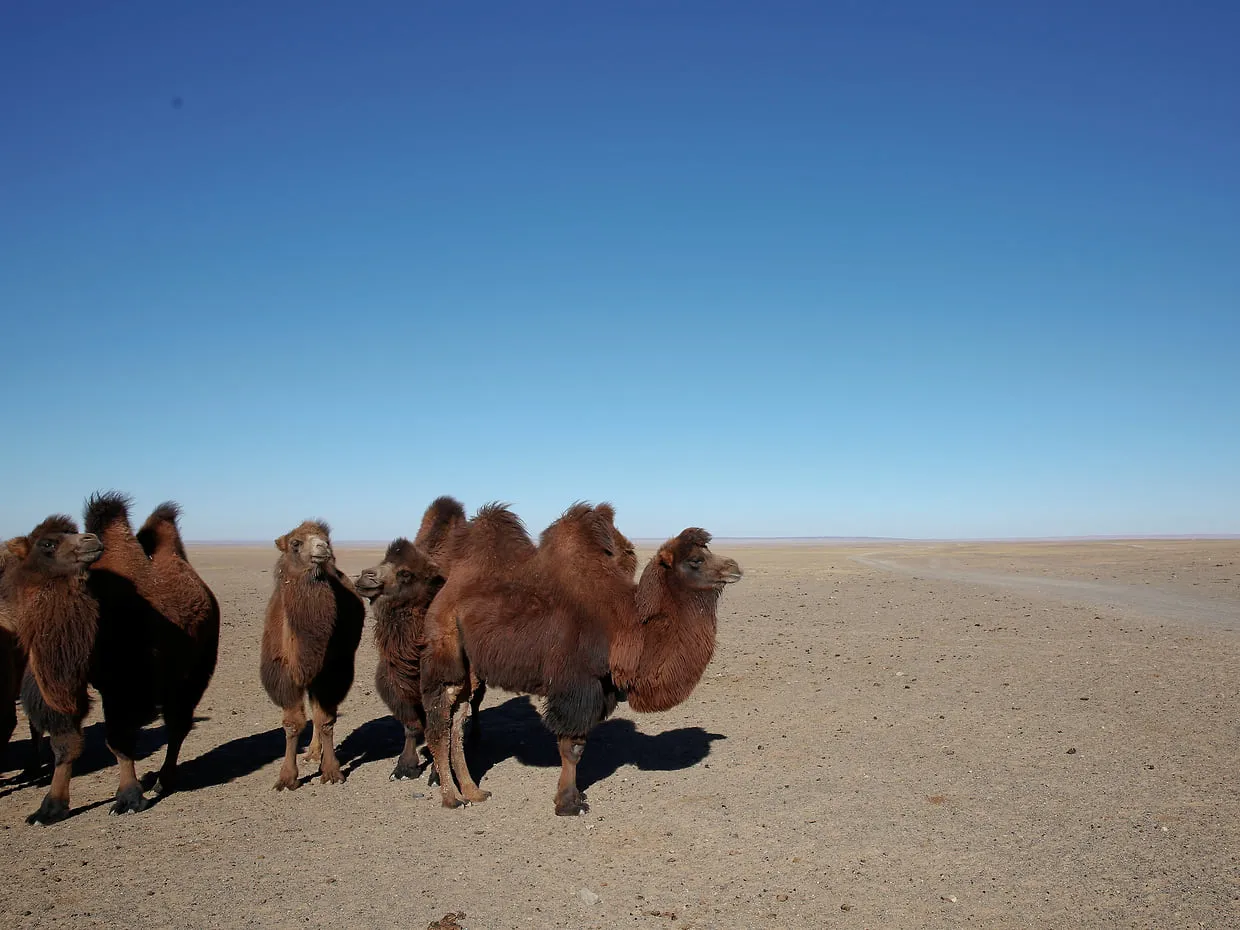
For travelers planning a visit to these regions, it is important to understand that the ecosystem here is fragile. The Gobi desert and Russian steppes require careful handling. Visiting such places in November is traditionally considered comfortable due to cool weather, but tourists should keep in mind that the landscape is in a vulnerable state. Following routes marked by environmental organizations and refusing to go off-road will help preserve the remaining living soil, which is critically important for carbon retention in the ecosystem.